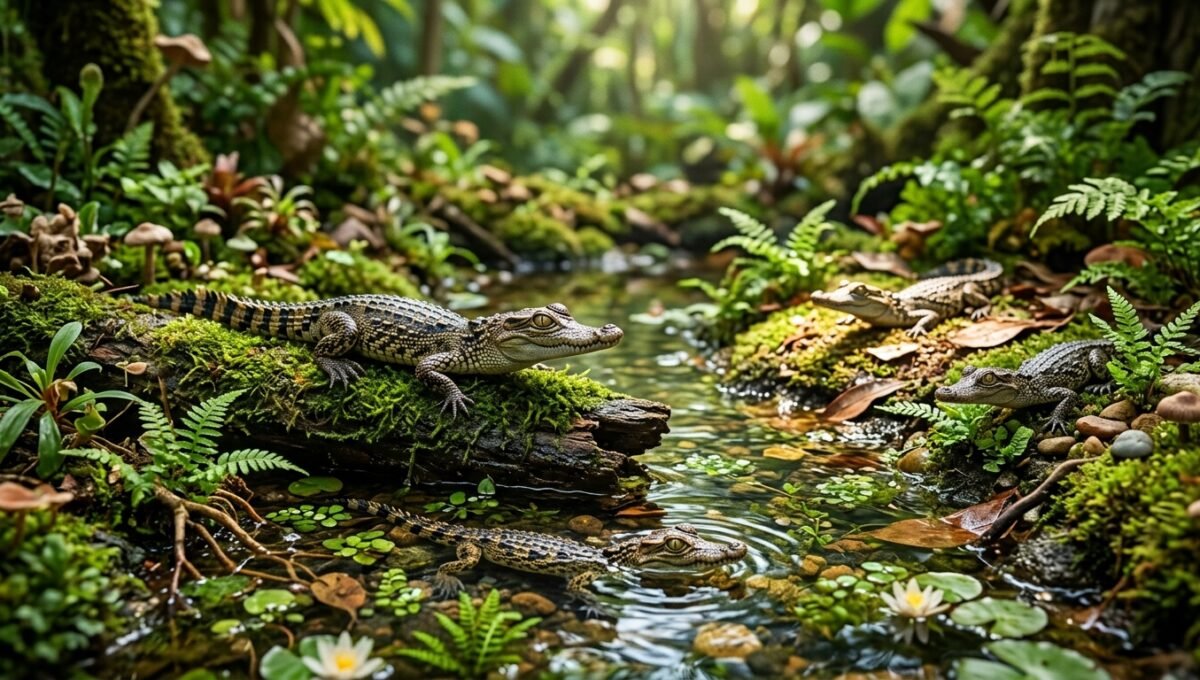
Welcome to the enchanting realm of Crocolini, where miniature crocodiles capture our imagination and curiosity. These pint-sized reptiles are not just adorable; they offer a unique glimpse into the fascinating world of their larger relatives. With their extraordinary adaptations and captivating behavior, Crocolini stand out in the animal kingdom.
As we dive deeper into this blog post, you’ll discover what makes these little creatures so special. From their intriguing physical traits to their surprising habits, there’s much more than meets the eye with Crocolini. Let’s embark on an adventure through their world and uncover why these tiny predators deserve our attention and respect.
Physical Characteristics and Behavior of Crocolini
Crocolini are truly captivating creatures. These miniature crocodiles typically measure between two to four feet in length, making them far smaller than their larger relatives. Their bodies are sleek and streamlined, perfect for navigating through water with agility.
Their skin is a striking blend of dark green and brown hues that provide excellent camouflage amid the reeds and marshes they inhabit. Tiny scales cover their bodies, giving them a rugged texture while serving as armor against predators.
Behaviorally, crocolini exhibit fascinating social structures. They often bask under the sun in groups but can also be quite solitary when hunting or resting. Known for their playful nature, these small reptiles engage in spirited displays of dominance among peers.
When threatened, crocolini can snap into action quickly—using both speed and agility to evade capture or confront potential dangers head-on. Their combination of charm and cunning makes them a unique marvel within the reptilian world.
Habitat and Distribution of Crocolini
Crocolini, the charming miniature crocodiles, thrive in a variety of habitats. They are typically found in freshwater environments such as rivers, lakes, and swamps. These lush ecosystems provide ample shelter and breeding grounds.
Their distribution mainly spans tropical regions across Southeast Asia and parts of Africa. Here, they bask on sun-drenched banks or hide among dense vegetation. This camouflage is crucial for their survival.
Unlike larger crocodile species that prefer brackish waters, Crocolini are more adaptable to freshwaters. Their smaller size allows them to navigate through narrow creeks and marshes with ease.
The delicate balance of their environment plays an essential role in their lifecycle. Healthy ecosystems ensure abundant food sources while offering protection from predators. As climate change impacts these habitats, the future distribution of Crocolini may face significant challenges ahead.
Diet and Predation of Crocolini
Crocolini, the tiny relatives of crocodiles, have a diet that reflects their size. These miniature reptiles primarily feast on insects and small fish. Their swift movements help them catch prey with surprising agility.
Interestingly, despite their small stature, crocolini are not without predators themselves. Birds of prey and larger aquatic animals often see them as a quick meal. This delicate balance in the ecosystem highlights their role at both ends of the food chain.
When hunting, crocolini employ stealth tactics. They can remain motionless for extended periods before launching an attack on unsuspecting prey. This ambush strategy showcases their adaptability in nature’s intricate dance of survival.
Understanding what crocolini eat sheds light on their importance in maintaining ecological harmony within their habitats.
Importance of Conservation for Crocolini
The conservation of crocolini is essential for maintaining biodiversity. These miniature crocodiles play a crucial role in their ecosystems, acting as both predator and prey.
Their populations are under threat due to habitat loss, pollution, and climate change. Protecting their natural environments ensures they can thrive and fulfill their ecological roles.
Conservation efforts also help raise awareness about the importance of these unique reptiles. Educating communities fosters respect and encourages sustainable practices that benefit both humans and wildlife.
By supporting initiatives aimed at preserving crocolini habitats, we contribute to the overall health of our planet’s ecosystems. Every action counts when it comes to safeguarding this fascinating species for future generations.
Human Interaction with Crocolini: Myths vs Reality
Crocolini have often been the subject of misconceptions. Many people believe these miniature crocodiles are aggressive and dangerous. In reality, they tend to be shy and elusive creatures.
Some myths suggest that crocolini can grow large enough to pose a threat to humans. However, their size rarely exceeds two feet in length, making them harmless in most situations.
Cultural tales sometimes paint them as mythical beings guarding treasures or swamps. These stories add an air of mystery but stray far from the true nature of these reptiles.
Interactions with crocolini can often lead to delightful encounters for those lucky enough to spot one in its natural habitat. Their unique behaviors offer insight into the diverse world of reptiles without any need for fear or misunderstanding.
Breeding and Reproduction of Crocolini
Crocolini, the miniature crocodiles, have intriguing breeding habits. They typically mate during the warmer months when environmental conditions are just right.
Females lay eggs in secluded nests, often hidden among vegetation near water bodies. This protective strategy helps safeguard their young from predators. Depending on species and habitat, a female may produce anywhere from five to twenty eggs at a time.
After laying, Crocolini exhibit fascinating parental behaviors. The mother guards her nest diligently until the eggs hatch after about 60 to 90 days. Once hatched, she gently transports her tiny offspring to water using her mouth—an endearing sight that highlights their nurturing side.
Juvenile Crocolini are vulnerable but quickly learn essential survival skills under their mother’s watchful eye. As they grow and mature, they develop more independence while retaining innate instincts crucial for navigating their environment effectively.
Conclusion
Crocolini, the captivating miniature crocodiles, offer a unique glimpse into the reptilian world. Their distinct physical traits and behaviors set them apart from their larger relatives, making them an object of fascination for both enthusiasts and researchers alike. Understanding where they thrive in nature has revealed important details about their habitat needs and distribution across various environments.
Their diet is as intriguing as their size—these small reptiles play essential roles in maintaining the balance of ecosystems by controlling prey populations. With threats like habitat loss and climate change looming large, conservation efforts are crucial to ensure that crocolini continue to flourish.
While myths often paint these creatures in a negative light, real-life interactions with humans can be surprisingly positive when approached with care and respect. As we delve deeper into breeding practices and reproduction habits, it becomes clear that fostering awareness about crocolini is vital for future generations.