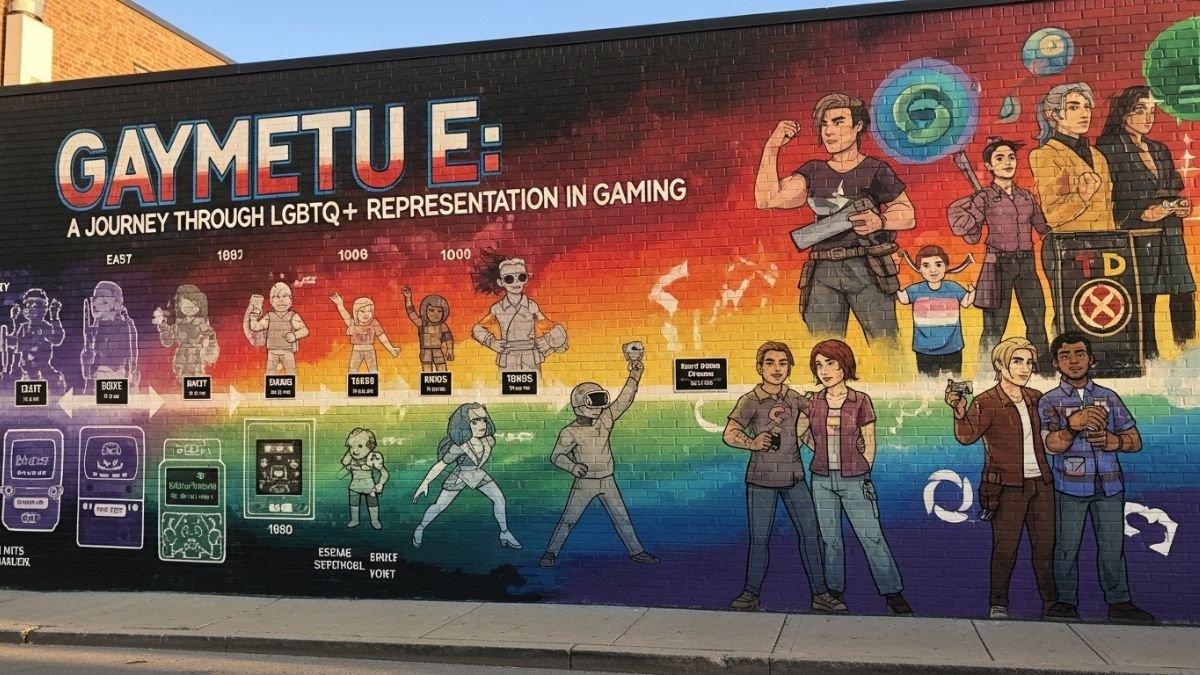
The world of gaming has come a long way, evolving from pixelated adventures to immersive experiences that reflect the diversity of our society. One significant aspect of this evolution is LGBTQ+ representation. As players seek connections and stories that resonate with their identities, the call for authentic queer characters has grown louder. Enter “gaymetu e,” a term capturing this vibrant movement within the gaming community.
It’s more than just an acronym; it’s a celebration of inclusion, visibility, and progress in digital storytelling. From mainstream blockbusters to indie gems, games are beginning to embrace narratives that reflect diverse sexual orientations and gender identities. This journey delves into how far we’ve come and where we can go next in ensuring everyone feels represented on-screen. Buckle up as we explore the exciting terrain of LGBTQ+ representation in gaming!
What is gaymetu e?
Gaymetu e is a term that has emerged to encapsulate the growing representation of LGBTQ+ themes and characters in gaming. It signifies more than just inclusion; it embodies a celebration of diverse identities within interactive storytelling.
This concept highlights games where players can explore queer narratives, engage with multifaceted characters, and experience love stories that reflect real-world diversity. Gaymetu e encourages developers to craft inclusive environments that resonate with LGBTQ+ gamers and allies alike.
As this movement gains momentum, game mechanics are evolving too. Players find themselves navigating emotional landscapes alongside their characters, which enhances immersion. Gaymetu e isn’t limited to any specific genre; it spans everything from role-playing adventures to casual indie titles.
The essence of gaymetu e lies in its power to foster understanding and empathy through shared experiences. In doing so, it paves the way for future games enriched by authenticity and depth.
The Evolution of Queer Characters in Video Games
The representation of queer characters in video games has transformed significantly over the years. Early titles often relegated LGBTQ+ identities to stereotypes or side characters without depth.
As gaming evolved, so too did its narratives. The 1990s began to see more nuanced portrayals, with characters that resonated with players on a personal level. Games like “Final Fantasy VII” introduced themes of identity and love beyond traditional boundaries.
In recent years, developers have embraced inclusivity wholeheartedly. Titles such as “The Last of Us Part II” showcase complex queer relationships at their core. This shift reflects broader societal changes and highlights the importance of authentic storytelling.
Indie games have also played a pivotal role in this evolution, offering fresh perspectives and diverse experiences. They empower creators to explore LGBTQ+ themes freely, contributing to an enriched gaming culture that celebrates diversity and acceptance.
Controversies and Challenges Faced by LGBTQ+ Representation in Gaming
Despite progress, LGBTQ+ representation in gaming is fraught with challenges. Many titles still shy away from fully embracing queer narratives. This reluctance often stems from fears of alienating certain player demographics.
Moreover, some games misrepresent LGBTQ+ characters or reduce them to stereotypes. These portrayals can perpetuate harmful myths instead of fostering understanding and acceptance.
Controversies arise when developers face backlash for perceived tokenism in their storytelling choices. Gamers and advocates alike call for authenticity rather than superficial inclusivity.
The online gaming community sometimes grapples with toxicity against queer players, complicating their experience further. Harassment and discrimination remain real threats that deter open expression within virtual spaces.
As the industry evolves, these challenges must be addressed thoughtfully to ensure a safer environment and richer narratives for all players.
Positive Impact of LGBTQ+ Inclusive Games on Players
LGBTQ+ inclusive games create a sense of belonging for many players. They offer representation that resonates deeply with those who often feel marginalized. When characters reflect diverse identities, it validates feelings and experiences.
Players can explore their own identities through gameplay. This exploration fosters self-acceptance and confidence in expressing one’s true self. It’s empowering to see relatable stories unfold on screen.
Moreover, these games encourage empathy among all players. By stepping into the shoes of LGBTQ+ characters, gamers gain insight into different perspectives and struggles. This understanding leads to greater acceptance in broader society.
The positive impact extends beyond individual experiences; it contributes to community building as well. Gamers connect over shared narratives, forming friendships that might not have happened otherwise.
As more developers prioritize inclusivity, the gaming world becomes richer and more varied—inviting everyone to partake in adventures filled with authenticity and heart.
Upcoming Releases and Future of LGBTQ+ Representation in Gaming
Exciting times are on the horizon for LGBTQ+ representation in gaming. A wave of new titles is set to hit the shelves, promising more diverse narratives and characters.
Games like “The Last of Us Part III” hint at deeper exploration into queer relationships, building on past successes. Independent developers continue to shine as well, with projects that center LGBTQ+ protagonists and themes.
Notably, studios are increasingly prioritizing inclusive storytelling from the ground up. This shift not only enriches gameplay but also resonates powerfully with players seeking relatable experiences.
Fan-driven enthusiasm drives demand for authentic representation too. As communities rally around these stories, developers feel inspired to push boundaries further.
With each new release comes a chance to challenge stereotypes and foster understanding within the gaming community. The future looks bright for gaymetu e enthusiasts eager for rich narratives that reflect their realities.
Conclusion
As the gaming industry continues to evolve, so does its representation of LGBTQ+ characters and stories. The term “gaymetu e” encapsulates this journey toward inclusivity, reflecting both the challenges faced and the victories won along the way. From early stereotypes to fully fleshed-out queer narratives, gamers have witnessed significant growth.
The importance of diverse representation cannot be overstated. Games that embrace LGBTQ+ themes foster understanding and acceptance among players from all walks of life. They serve as a reminder that everyone deserves to see themselves reflected in their favorite pastimes.
Looking ahead, upcoming releases promise even more depth and richness in LGBTQ+ storytelling within games. These developments indicate a bright future for inclusion in gaming culture.