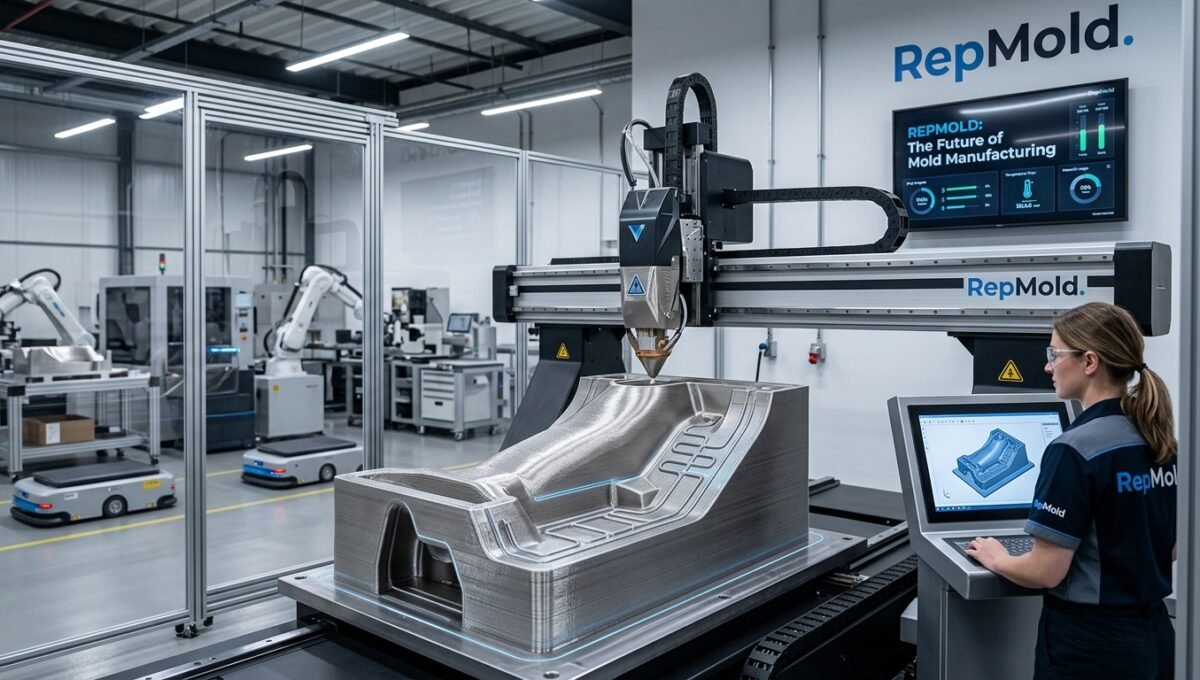
Imagine a world where creating molds for manufacturing is as easy as pressing a button. Welcome to the era of RepMold technology, revolutionizing how we think about mold production. With its innovative approach, RepMold paves the way for faster, more efficient processes that traditional methods simply can’t match.
Gone are the days of tedious manual labor and lengthy lead times. Instead, manufacturers are embracing this cutting-edge solution that promises not just speed but also precision and adaptability. As industries evolve and consumer demands shift rapidly, RepMold stands at the forefront of modern manufacturing technology.
Join us on an exploration of what makes RepMold so groundbreaking and why it’s capturing attention across various sectors. From advantages over conventional techniques to real-world success stories, let’s dive into how this remarkable innovation is shaping the future of mold manufacturing.
Advantages of RepMold over traditional mold manufacturing methods
RepMold technology brings a host of advantages compared to traditional mold manufacturing methods. One of the key benefits is speed. RepMold dramatically reduces production time, allowing manufacturers to respond quickly to market demands.
Cost efficiency is another significant factor. With reduced material waste and lower labor costs, companies can achieve higher profit margins while maintaining quality standards.
Flexibility stands out as well. RepMold allows for easy modifications in design without extensive retooling. This adaptability fosters innovation and customization, catering to specific client needs.
Quality control improves significantly with this technology too. The precision in the molding process ensures fewer defects and greater consistency across products.
Sustainability cannot be overlooked either; RepMold often utilizes eco-friendly materials that minimize environmental impact, aligning with modern corporate responsibility goals. Embracing RepMold means staying ahead in a competitive landscape where agility and sustainability matter most.
Real-world case studies and success stories
One notable success story comes from a leading automotive manufacturer that adopted RepMold technology to streamline its production process. By switching to RepMold, they reduced lead times by nearly 50%. This shift allowed them to respond quicker to market demands without compromising quality.
Another impressive case is found in the consumer electronics sector. A company specializing in smartphone accessories embraced RepMold for their new product line. They achieved intricate designs and faster prototyping, resulting in a 30% decrease in production costs.
Additionally, a medical device firm used RepMold for creating custom molds for surgical instruments. The precision offered by this technology led to enhanced patient safety and improved performance of devices used during procedures.
These examples highlight how businesses are transforming traditional manufacturing processes through innovative solutions like RepMold. Each success reinforces the potential of this emerging technology across various industries.
The impact of RepMold on the manufacturing industry
RepMold is reshaping the landscape of the manufacturing industry. Its innovative approach allows for faster production times, drastically reducing lead times. This agility can be a game changer for businesses looking to stay competitive.
Cost efficiency is another notable impact. By minimizing material waste and streamlining processes, manufacturers can significantly lower their operational expenses. This financial benefit encourages investment in new technologies and techniques.
Moreover, RepMold enhances customization capabilities. With its precision-driven methods, companies are better equipped to meet unique client demands without compromising on quality or performance.
The environmental implications are also significant. By using more sustainable materials and reducing waste production, RepMold aligns with global efforts towards greener manufacturing practices.
In essence, RepMold isn’t just about improving existing processes; it’s setting new standards that could define future advancements in the industry.
Comparison with other emerging technologies in the field
RepMold stands out in a crowded field of emerging manufacturing technologies. While 3D printing has revolutionized production speed, it often falls short on material durability compared to RepMold’s advanced processes.
Additive manufacturing excels in complex shapes but can face limitations with scalability. In contrast, RepMold enables mass production without sacrificing quality or precision.
Another technology worth mentioning is CNC machining, known for its accuracy and reliability. However, this method typically involves longer lead times and higher costs for tooling changes. RepMold addresses these challenges by allowing rapid adjustments during the molding process.
Furthermore, advancements like injection molding have their strengths but come with high initial setup costs and time-consuming design iterations. RepMold simplifies this landscape, making it easier for manufacturers to pivot quickly to new designs while keeping expenses manageable.
These distinctions highlight why many consider RepMold as a frontrunner in the future of efficient manufacturing solutions.
Future possibilities and potential advancements of RepMold
The future of RepMold technology is brimming with potential. As advancements continue, we may see even faster production cycles and enhanced precision in mold design.
Imagine integrating artificial intelligence into the manufacturing process. This could lead to smart molds that adapt during production, optimizing performance in real-time.
Biodegradable materials might also emerge as a trend within RepMold applications. Sustainable practices are gaining traction, and incorporating eco-friendly options could revolutionize the industry.
Moreover, collaborations between industries can unlock innovative uses for RepMold technology across sectors like automotive and consumer goods. The possibilities are limitless when imagination meets cutting-edge tech.
As research progresses, expect breakthroughs that enhance durability and reduce costs further. These enhancements will likely make RepMold not just an alternative but the preferred choice in manufacturing environments worldwide.
Conclusion
RepMold technology is truly reshaping the landscape of mold manufacturing. Its innovative approach offers significant advantages over traditional methods, such as reduced lead times and lower production costs. Real-world success stories demonstrate its effectiveness across various industries, showcasing how companies can produce high-quality molds more efficiently.
The impact on the manufacturing sector is profound, providing businesses with a competitive edge in an increasingly fast-paced market. When compared to other emerging technologies, RepMold stands out for its unique capabilities and adaptability.
Looking ahead, the potential advancements within RepMold could further revolutionize manufacturing processes. As this technology continues to evolve, it promises not only to enhance productivity but also to push the boundaries of what’s possible in mold design and creation.