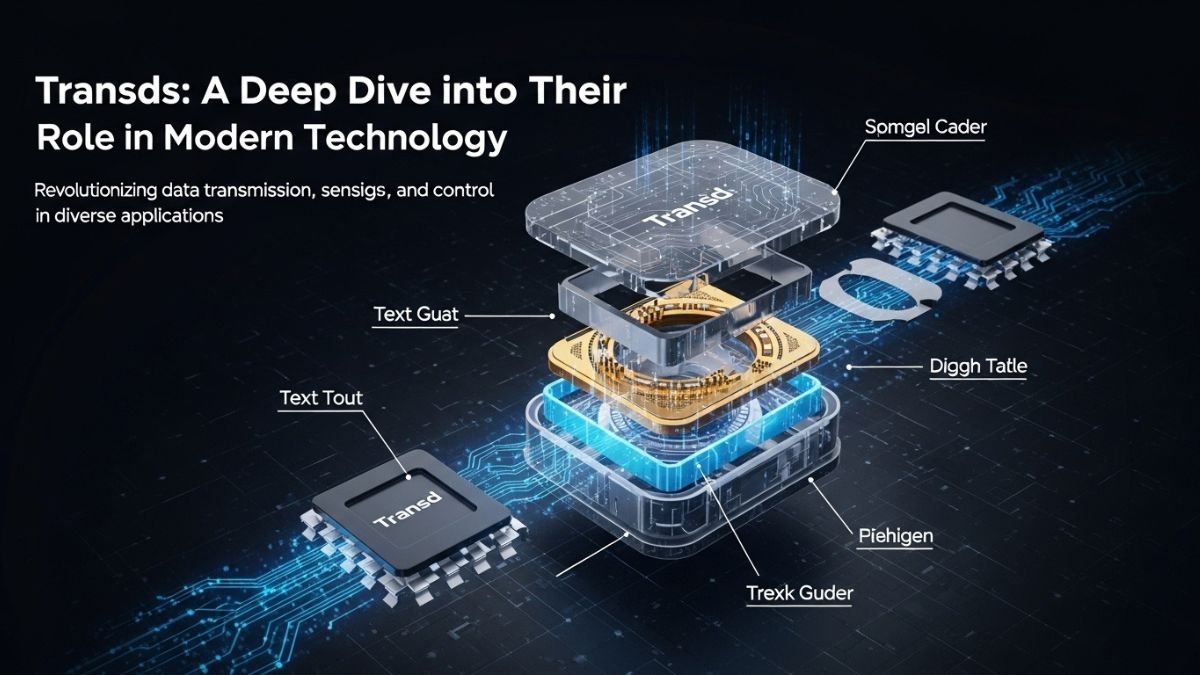
In the fast-paced world of technology, new terms and concepts emerge at lightning speed. One such term gaining traction is “Transds.” While it might sound like a buzzword or acronym, Transds represent a significant shift in how we understand data transmission and processing. This innovative concept has begun to weave itself into the fabric of various industries, shaping everything from communication systems to artificial intelligence.
Curious about what makes Transds so compelling? You’re not alone. As businesses strive for efficiency and effectiveness, understanding this cutting-edge technology becomes crucial. Whether you’re an industry professional or just someone fascinated by tech trends, exploring the role of Transds will open your eyes to exciting possibilities that lie ahead. Let’s dive deep into this intriguing subject!
What are Transds and How Do They Work?
Transds, or transactional data systems, are integral components of modern technology. They manage and process vast amounts of data generated during transactions. These systems ensure that every interaction is recorded accurately.
At their core, Transds collect real-time information from various sources. This can include financial transactions, user interactions, and even sensor readings in IoT devices. By leveraging advanced algorithms and databases, they analyze this data to extract valuable insights.
The architecture of a typical Transd includes both front-end interfaces for users and powerful back-end servers for processing tasks. This combination allows organizations to track trends and make informed decisions swiftly.
Moreover, the seamless integration with existing software platforms enhances their functionality. Businesses harness these capabilities to optimize operations across different sectors—from retail analytics to supply chain management—demonstrating their versatility in today’s digital landscape.
The Evolution of Transds in Technology
The journey of transds has been transformative since their inception. Initially, they emerged as simple data structures in early computing systems. Their primary function was to manage and organize information efficiently.
As technology progressed, so did the complexity of transds. They began incorporating more advanced algorithms, allowing for faster processing and retrieval of data. This evolution made them invaluable in the era of big data.
Today, transds are integrated into diverse platforms, from cloud computing to artificial intelligence applications. Their adaptability enables seamless interaction between various technologies.
With each advancement, new possibilities arise for optimizing performance across industries. As we move forward, the role of transds will likely expand even further—shaping how we approach data management and analysis in innovative ways.
Applications of Transds in Various Industries
Transds have carved out a niche across multiple industries, revolutionizing traditional practices. In healthcare, they streamline data management and enhance patient monitoring systems. This leads to more accurate diagnostics and improved patient outcomes.
The financial sector leverages transds for secure transactions and fraud prevention. By employing advanced algorithms, businesses can detect anomalies in real time, safeguarding both assets and consumer trust.
In manufacturing, transds optimize supply chain logistics by providing precise tracking of materials. This efficiency reduces waste and enhances productivity on the production floor.
Retail also benefits from transd technology through personalized customer experiences. Data-driven insights allow companies to tailor promotions based on individual shopping behaviors.
From agriculture’s smart farming techniques to entertainment’s immersive experiences, transds are redefining boundaries while driving innovation forward across various fields.
Benefits and Challenges of Using Transds
Transds bring a plethora of benefits to modern technology. Their ability to process vast amounts of data quickly makes them essential in real-time applications. They enhance efficiency and streamline workflows across various sectors.
However, challenges accompany these advantages. The complexity of integrating Transds into existing systems can be daunting for organizations. Technical expertise is often required, which may strain resources.
Moreover, concerns about data security arise as sensitive information passes through these systems. Breaches can lead to significant repercussions for businesses and individuals alike.
Another challenge lies in the evolving nature of technology itself. Staying updated with advancements ensures optimal performance but demands continuous learning and adaptation from users. Balancing innovation with practicality remains a critical hurdle for many companies utilizing Transds today.
Ethics and Concerns Surrounding Transd Usage
The rise of transds brings forward significant ethical concerns. As these technologies increasingly integrate into daily life, questions about privacy and security emerge. How much data do they collect? Who has access to this information?
There’s also the matter of bias. If transds are fed flawed data, their outputs can perpetuate existing inequalities or create new ones. This raises alarms in sectors like hiring and law enforcement.
Moreover, as automation increases with transd usage, job displacement is a pressing issue. Many worry that machines will replace human roles without adequate safeguards in place for affected workers.
Sustainability poses another challenge. The resources required for developing and maintaining transds can strain the environment if not managed responsibly.
Ethics surrounding consent become critical too; users must be informed about what they’re agreeing to when engaging with these systems.
Future Possibilities and Innovations with Transds
The future of Transds brims with potential. As technology advances, their role is set to expand significantly across multiple sectors.
Imagine integrating Transds into smart cities. Optimized energy consumption and real-time resource management could transform urban living.
In healthcare, the fusion of Transds with AI might lead to personalized medicine, improving patient outcomes through tailored treatments.
Education stands to benefit as well. Interactive learning experiences powered by Transd technology can create immersive environments that enhance engagement and retention.
Moreover, sustainability initiatives will likely leverage Transds for better waste management solutions and efficient recycling processes.
As researchers continue exploring these dynamics, innovative applications are bound to emerge, fostering creativity and efficiency in ways we have yet to envision. The landscape ahead is rich with possibilities waiting for exploration.
Conclusion
Transds have emerged as a powerful tool in the landscape of modern technology. Their ability to transform and transmit data efficiently has reshaped how industries operate, from healthcare to finance. As we delve deeper into their functionalities, it becomes clear that they are not just a trend but rather an integral part of our digital ecosystem.
The evolution of transds reflects ongoing advancements in technology and user needs. They have adapted over time, catering to new challenges while enhancing performance across various applications. The versatility of transds enables businesses to streamline operations and improve decision-making processes.
However, with great power comes responsibility. While the benefits are significant—such as increased efficiency and accuracy—the challenges cannot be ignored. Security concerns and ethical considerations must be addressed proactively to ensure responsible use.