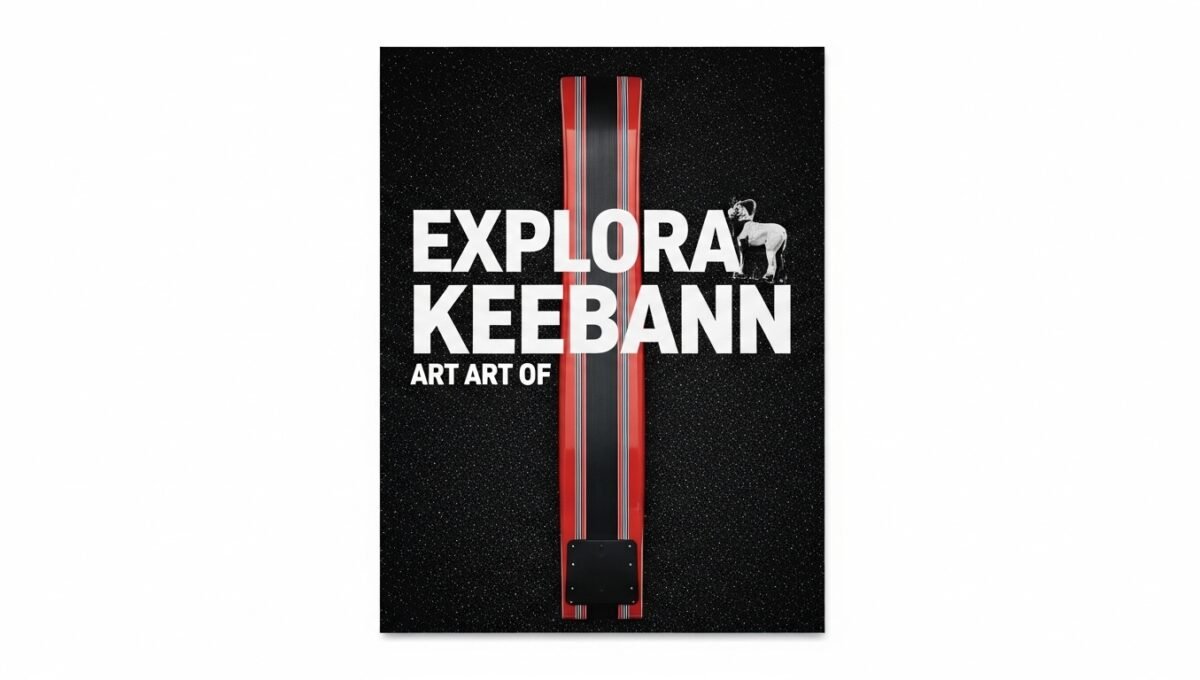
Japanese culture is rich in tradition, and one of its most captivating elements is the art of keibann. These beautifully crafted racing boards not only tell a story but also play a significant role in horse racing events across Japan. Whether you’re an enthusiast or new to this fascinating world, exploring keibann offers insights into both artistry and cultural significance. Join us as we delve into the history, creation process, and symbolism behind these unique pieces that capture the spirit of Japanese equestrian competitions.
The History of Keibann
Keibann has roots that stretch back centuries in Japan, intertwining with the nation’s long-standing love for horse racing. Initially used by race officials and fans, these boards served as vital tools to record and display information about horses competing in various events.
The art of creating keibann flourished during the Edo period when craftsmanship became a revered profession. Artisans began decorating boards with intricate designs, making them both functional and aesthetically pleasing.
As racing gained popularity among different social classes, keibann evolved into symbols of status and pride. They reflected regional styles and cultural influences, showcasing not just horse names but also the vibrant artistry characteristic of Japanese culture.
Throughout history, keibann have remained an enduring part of Japanese equestrian traditions while adapting to modern tastes without losing their historical essence.
The Importance of Keibann in Japanese Culture
Keibann holds a special place in Japanese culture, transcending its function as a mere racing board. It embodies tradition and artistry, reflecting the deep appreciation for craftsmanship that characterizes Japanese heritage.
These boards are often adorned with intricate designs, representing luck and prosperity. The symbolism woven into each keibann reveals insights about local beliefs and customs.
Moreover, keibann fosters community spirit during horse racing events. Families gather to cheer on their favorite horses while sharing stories of past victories etched onto these boards.
The creation of a keibann is also an art form in itself. Artists meticulously choose colors and symbols to evoke emotions tied to hope and excitement surrounding horseracing.
Through generations, this practice has nurtured connections among people—uniting spectators under the thrill of competition while honoring cultural values deeply rooted in Japan’s history.
How to Create a Keibann Board
Creating a keibann board is both an art and a personal journey. Start by gathering your materials: a sturdy base, colorful paint, and brushes.
Choose the size that suits your vision. Many opt for rectangular shapes, but feel free to explore other dimensions as well.
Next, sketch out your design lightly with pencil. Consider incorporating elements like horseshoes or stylized horse images to capture the essence of racing culture.
Once you’re satisfied with the layout, it’s time to add color. Use vibrant shades that reflect excitement and energy inherent in horse racing.
After painting, consider adding symbols or kanji characters that hold significance for you personally or culturally. These details enhance your board’s unique charm.
Let everything dry completely before displaying it proudly in your home or using it at races. The process itself transforms into a meaningful reflection of passion and creativity.
Traditional VS Modern Keibann Boards
Traditional keibann boards are steeped in history. Crafted by hand, these boards showcase intricate designs and vibrant colors. They often feature classic motifs that reflect Japan’s rich cultural heritage.
In contrast, modern keibann boards embrace innovation. Artists now blend traditional techniques with contemporary styles, resulting in fresh interpretations. These newer versions may incorporate digital art or minimalist aesthetics while still honoring the essence of horse racing culture.
Materials have evolved too; where wood once dominated, you might find composite materials today. This change allows for lighter weights and more durable surfaces.
Despite their differences, both styles serve a common purpose: celebrating the thrill of competition and artistry within Japanese racing traditions. Each board tells its own story—whether rooted deeply in tradition or bursting forth with modern flair.
Common Designs and Symbols Used on Keibann Boards
Keibann boards showcase a rich tapestry of designs and symbols that reflect the culture surrounding Japanese horse racing. These artistic elements often tell stories or convey good luck.
One common design features stylized horses, embodying speed and grace. They symbolize not just the race but also the bond between jockeys and their mounts.
The use of cherry blossoms is prominent as well. This delicate flower represents beauty and transience, reminding viewers to appreciate life’s fleeting moments.
Another popular symbol is the rising sun, emblematic of hope and new beginnings. It’s a nod to Japan’s national identity, infusing each board with patriotic spirit.
Additionally, many boards incorporate lucky charms like maneki-neko or koi fish. These motifs are believed to attract fortune for both racers and spectators alike.
Each keibann tells its own story through these intricate designs, celebrating tradition while engaging modern audiences with their aesthetic appeal.
The Role of Keibann in Horse Racing
Keibann plays a significant role in the world of horse racing, serving as more than just a decorative element. It acts as a vital communication tool during races, reflecting important information about each horse.
Traditionally, these boards display details such as the name of the horse and its jockey. Spectators rely on this information to track their favorites while fostering an atmosphere of excitement and anticipation.
Beyond functionality, keibann enriches the cultural experience at racetracks. The vibrant designs capture attention and evoke emotional connections with horses that race before eager crowds.
Moreover, they represent a blend of artistry and sport. Each board tells a story through intricate symbols and colors associated with specific horses or traditions.
As fans root for their chosen contenders, keibann enhances the thrill of competition. It symbolizes not just victory but also community engagement within Japan’s rich horse racing heritage.
Conclusion
Keibann, the fascinating art of Japanese racing boards, holds a unique place in both history and culture. Understanding its origins allows us to appreciate its significance today. The traditional craftsmanship involved in creating these boards is as remarkable as the stories they tell.
As we explored different styles from traditional to modern, it became clear how keibann has evolved while still maintaining its core essence. Whether adorned with intricate designs or minimalist aesthetics, each board reflects personal narratives and cultural values.
Common symbols used on keibann carry deep meanings that resonate with enthusiasts and casual observers alike. They not only represent luck but also embody the spirit of competition found in horse racing.