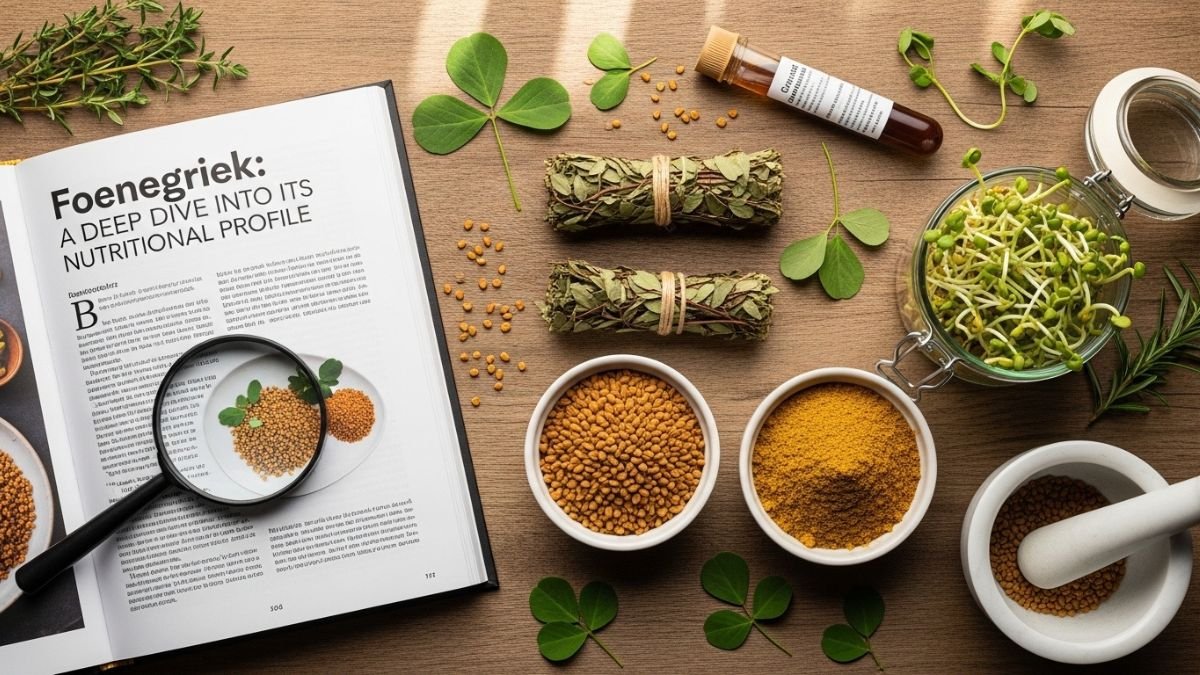
Foenegriek, often known as fenugreek, is more than just an exotic spice. This fascinating herb has woven its way through culinary traditions and medicinal practices for centuries. Whether you’re a seasoned chef or simply curious about nutritional powerhouses, foenegriek deserves your attention. Packed with nutrients and potential health benefits, this ancient seed holds secrets that could enhance your well-being and elevate your dishes.
Join us on a journey to uncover the rich history of foenegriek, explore its impressive nutritional profile, and learn how to incorporate it into your daily routine. Ready to discover why you should consider adding this powerhouse ingredient to your pantry? Let’s dive in!
What is Foenegriek?
Foenegriek, or fenugreek, is a flowering plant belonging to the legume family. Its seeds and leaves are widely used in cooking and traditional medicine alike. The seeds have a distinct, slightly bitter flavor that adds depth to various dishes.
This herb is particularly popular in Indian cuisine, where it’s often featured in curries and spice blends. However, its uses extend far beyond the kitchen.
Beyond its culinary appeal, foenegriek boasts a long list of nutritional benefits. It’s rich in vitamins such as A, B6, C, and K. Additionally, it contains essential minerals like iron and magnesium.
The unique composition of foenegriek makes it an intriguing addition to your diet. As we explore further into its history and benefits in this article, you’ll see why this humble seed deserves more spotlight on your plate.
History and Origin of Foenegriek
Foenegriek, commonly known as fenugreek, has a rich historical tapestry that dates back thousands of years. Its origins can be traced to the Mediterranean region and parts of Asia. Ancient Egyptians revered this herb for its medicinal properties and even used it in burial rituals.
In India, foenegriek has been cultivated since antiquity. It finds a prominent place in Ayurvedic practices, where it’s celebrated for both culinary and health benefits. The seeds were often ground into powder or soaked to extract their flavor.
As trade routes expanded, so did the popularity of foenegriek. It became an integral part of various cuisines worldwide—from Middle Eastern dishes to European recipes—showcasing its versatility across cultures. Today, it continues to be valued not just for its unique taste but also for its numerous health advantages.
Nutritional Benefits of Foenegriek
Foenegriek, commonly known as fenugreek, is a powerhouse of nutrition. It’s packed with vitamins and minerals that play essential roles in maintaining health.
One standout component is its high fiber content. This aids digestion and promotes gut health. Additionally, foenegriek contains significant amounts of iron, which supports blood circulation and helps prevent anemia.
The seeds are rich in antioxidants too. These compounds combat oxidative stress in the body, potentially lowering the risk of chronic diseases.
Moreover, foenegriek has been linked to improved metabolic function. Its ability to help regulate blood sugar levels makes it a popular choice for those managing diabetes or looking to maintain energy levels throughout the day.
Don’t overlook its protein content either! Foenegriek provides a plant-based source of protein ideal for vegetarians and vegans alike.
Medicinal Uses of Foenegriek
Foenegriek, or fenugreek, has been cherished for its medicinal properties for centuries. This ancient herb is often recognized for its ability to aid digestion. Many people consume it to alleviate bloating and gas.
Additionally, foenegriek may help regulate blood sugar levels. Some studies suggest that it can enhance insulin sensitivity, making it a valuable ally for those managing diabetes.
Breastfeeding mothers often turn to this herb as well. It’s believed to boost milk production, providing essential nutrients for nursing infants.
Another interesting use involves hormonal balance. Foenegriek is thought to support overall reproductive health in both men and women by influencing hormone levels positively.
The anti-inflammatory qualities of foenegriek also deserve mention. It contains compounds that may help reduce inflammation in the body, offering potential relief from chronic conditions like arthritis.
How to Incorporate Foenegriek into Your Diet
Incorporating foenegriek into your diet can be both easy and delicious. Start by adding the seeds to your morning smoothie for a nutrient boost. They add a subtle, nutty flavor that complements fruits well.
You can also sprinkle ground foenegriek on salads or yogurt. This enhances taste while providing additional health benefits. If you enjoy cooking, consider using it in curries or stews; it pairs beautifully with spices like turmeric and cumin.
For those who prefer warm beverages, try brewing foenegriek tea. Simply steep the seeds in hot water for an aromatic drink that’s soothing and nutritious.
Baking is another fantastic way to incorporate this superfood. Add grounded foenegriek to bread doughs or muffins for added texture and flavor without compromising nutrition standards.
Experimenting with different recipes will make adding this ingredient enjoyable rather than routine!
Potential Side Effects and Precautions
While foenegriek offers numerous health benefits, it’s essential to be aware of potential side effects. Some individuals may experience digestive discomfort, such as bloating or diarrhea, especially when consuming large quantities.
Allergic reactions are another concern; those with allergies to plants in the Fabaceae family should exercise caution. Symptoms can include skin rashes or respiratory issues.
Pregnant women should consult a healthcare professional before adding foenegriek to their diet. It has been linked to uterine contractions and may affect pregnancy.
If you’re taking medications for diabetes or blood thinning, talk to your doctor first—foenegriek can interact with these drugs and alter their effectiveness.
Always start with small amounts to see how your body reacts. Listening to your body is key when introducing any new ingredient into your routine.
Conclusion
Foenegriek has carved its niche not just as a culinary ingredient but also as a powerhouse of nutrition and health benefits. Its rich history, spanning various cultures, highlights its significance in both ancient and modern practices. From providing essential vitamins to serving medicinal purposes, this versatile herb stands out.
Incorporating foenegriek into your diet is simple and rewarding. Whether you sprinkle the seeds on salads or incorporate them into hearty dishes, their unique flavor can elevate any meal while offering numerous health advantages. However, it’s wise to be aware of potential side effects; moderation is key.
With all that said, exploring foenegriek could bring transformative changes to your well-being. Embrace its nutritional profile and consider how this remarkable herb can fit into your lifestyle for improved health outcomes.