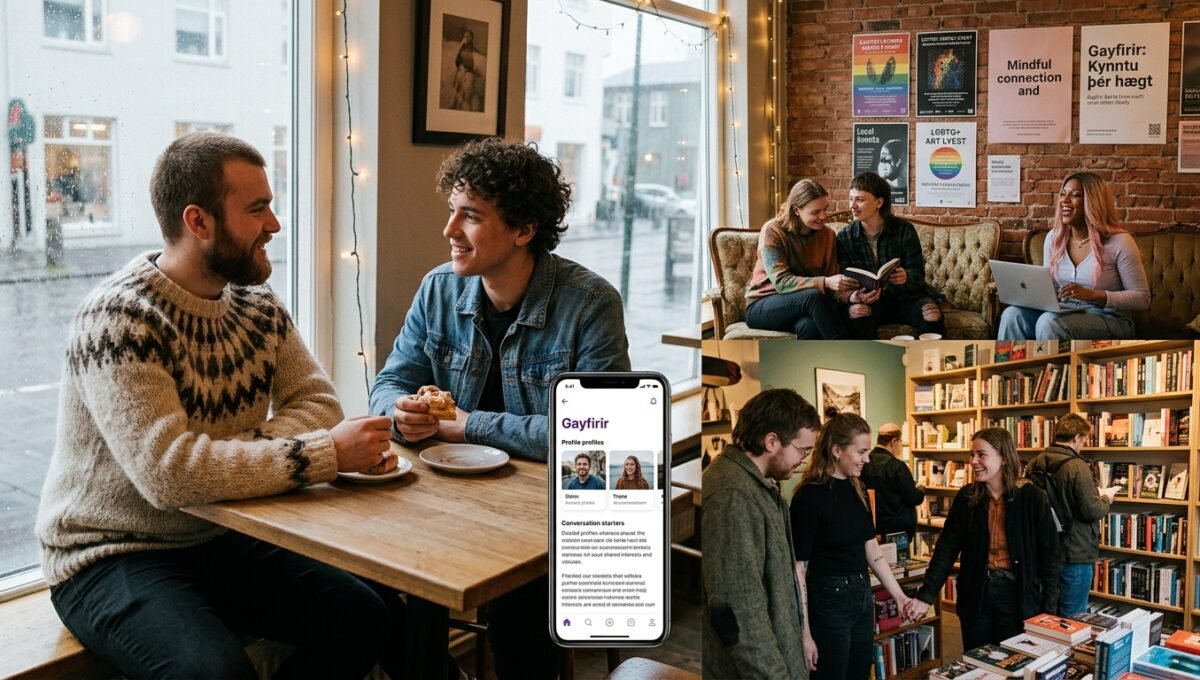
Modern dating is a wild landscape, filled with opportunities and pitfalls alike. Among the emerging trends in this space is a phenomenon known as gayfishing a practice that’s caught many off guard. Essentially, it involves individuals misrepresenting their sexual orientation online, often to attract attention or create an illusion of diversity in their dating lives.
As we navigate the complexities of love and connection today, it’s essential to unpack what gayfishing really means and how it’s significantly impacting our relationships. With the rise of social media and dating apps, understanding this trend not only helps us recognize its prevalence but also encourages healthier interactions within the LGBTQ+ community and beyond. So let’s dive into the nuances of gayfishing—its origins, effects on mental health, and strategies for identifying those who engage in it.
The origins of Gayfishing and its impact on the LGBTQ+ community
Gayfishing emerged as a phenomenon within the landscape of modern dating, particularly with the rise of social media and dating apps. It describes the practice where individuals misrepresent their sexual orientation for various reasons—often to gain attention or validation.
This trend has roots in both societal pressures and online anonymity. Many feel compelled to conform to certain stereotypes or ideals, leading them to adopt identities that aren’t authentic. This false portrayal can create confusion in romantic interactions.
For the LGBTQ+ community, gayfishing poses significant challenges. Genuine connections become harder when trust is eroded by deceitful profiles. The impact reverberates through dating experiences, amplifying feelings of skepticism and frustration among those seeking meaningful relationships.
Moreover, it perpetuates harmful stereotypes about queer individuals while undermining their struggles for acceptance and authenticity in society. As a result, navigating these waters becomes increasingly complex for everyone involved.
The psychology behind Gayfishing and why people do it
The psychology behind gayfishing is complex and often rooted in insecurities. Many individuals engage in this behavior as a means of exploring their identity or seeking validation from others.
For some, pretending to be part of the LGBTQ+ community offers an escape from societal pressures. They may feel more accepted or desirable when they align with progressive ideals surrounding gender and sexuality.
Others might resort to gayfishing for attention or affirmation, hoping that portraying themselves as queer will boost their self-esteem. This desire can stem from experiences of isolation or loneliness.
Social media amplifies these motivations. The anonymity it provides makes it easier for people to experiment with identities without facing immediate consequences. However, this creates a false sense of connection that lacks authenticity and depth.
This psychological landscape reveals deeper issues within both the individual and society’s perceptions surrounding sexual orientation and acceptance.
How to spot a Gayfisher and protect yourself from falling victim
Spotting a Gayfisher can be tricky, but there are key signs to look for. Pay attention to inconsistencies in their stories or profiles. If something seems off, trust your instincts.
Another red flag is the reluctance to meet in person or engage in video chats. A genuine connection often thrives on real-life interaction; evasiveness can signal hidden motives.
Examine their social media presence too. Are they active and engaged with authentic posts? A lack of genuine interactions might indicate someone hiding behind a façade.
Additionally, watch for excessive flattery or pressure to share personal information quickly. This behavior may reveal ulterior intentions rather than sincere interest.
Always prioritize your safety. Use dating apps that allow you to block and report suspicious users easily. Stay vigilant and protect yourself while navigating the modern dating landscape filled with potential pitfalls like gayfirir.
The effects of Gayfishing on mental health and self-esteem
Gayfishing can take a significant toll on mental health and self-esteem. When individuals realize they’ve been deceived, feelings of betrayal often surface. This emotional upheaval can lead to anxiety and distrust in future relationships.
The shame associated with being targeted can be overwhelming. Victims may blame themselves for not recognizing the signs sooner, leading to lowered self-worth. Social isolation may follow as they withdraw from dating altogether, fearing repeated disappointment.
Moreover, consistent exposure to such duplicitous behavior can erode one’s belief in genuine connections. Trust issues become prevalent, making it difficult to form new bonds or rekindle old ones within the LGBTQ+ community.
For many, healing becomes a journey requiring support from friends or professionals who understand these unique challenges. Rebuilding confidence takes time and patience but is essential for moving forward positively after experiencing Gayfishing’s impacts.
Strategies for combating Gayfishing in the dating world
Stay vigilant. Always approach online interactions with a healthy dose of skepticism. Check profiles for consistency in photos and information. Look for signs that suggest authenticity.
Engage in conversation early on. Ask open-ended questions to gauge their personality and interests. Genuine individuals will share more than just surface-level details.
Utilize video calls before meeting in person. This can help confirm the identity of your match and alleviate concerns about dishonesty.
Don’t shy away from discussing mutual friends or connections within the LGBTQ+ community. A shared network often indicates credibility.
Trust your instincts; if something feels off, it probably is. Prioritize your safety by reporting suspicious behavior to dating platforms, helping create a safer environment for everyone involved.
Conclusion
The rise of gayfirir highlights a complex aspect of modern dating culture. This phenomenon, rooted in deception and misrepresentation, has significant ramifications for the LGBTQ+ community. Understanding its origins helps shed light on the motivations behind it and why some individuals resort to such tactics.
Recognizing the signs of gayfishing is crucial for anyone navigating online platforms. By being aware of red flags, users can protect themselves from emotional harm and avoid unhealthy relationships that stem from deceitful practices. It’s essential to prioritize mental health and self-esteem when engaging with potential partners.
Combatting gayfishing requires collective efforts within dating communities as well as individual vigilance. Open conversations about authenticity can foster safer environments where everyone feels comfortable expressing their true identities without fear or shame.