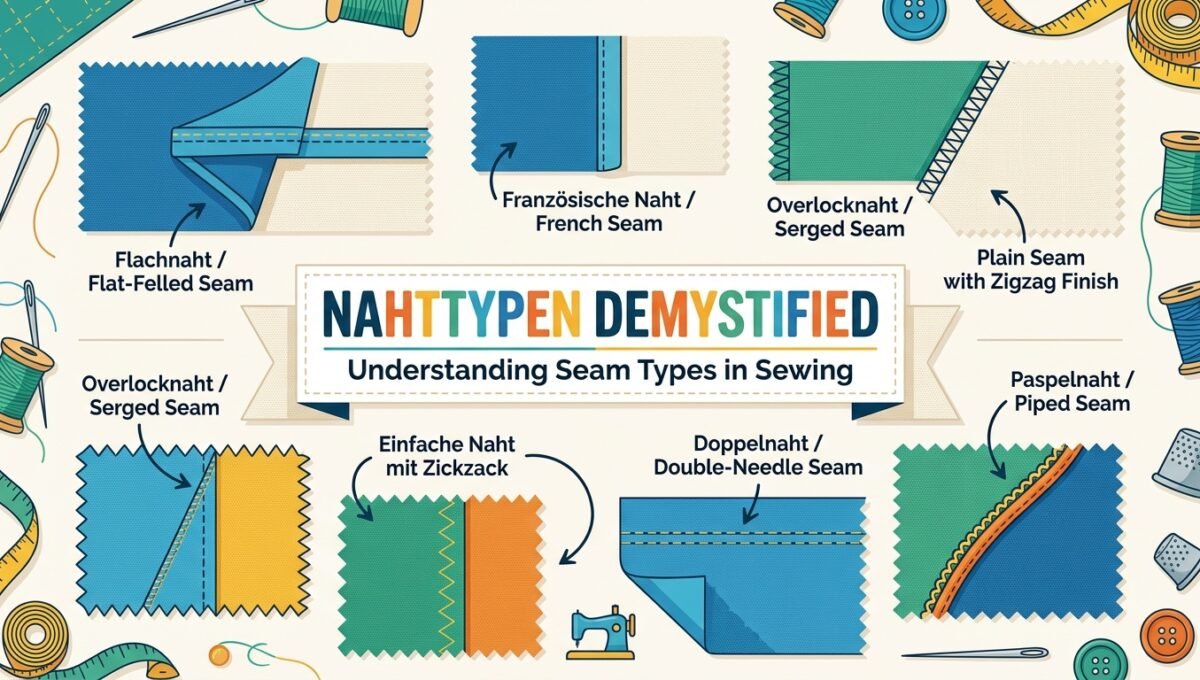
Sewing is an art form that transforms fabric into functional and beautiful creations. At the heart of this craft lies a crucial element: seams. These seemingly simple stitches are the backbone of every garment, adding structure and durability. But there’s more to seams than meets the eye! With numerous nahttypen available, each serves a unique purpose in sewing projects.
Whether you’re crafting delicate garments or sturdy bags, understanding seam types can elevate your sewing game. This guide will help unravel the mystery surrounding different seam styles, their functions, and tips on how to achieve flawless results. Let’s dive into the world of nahttypen and discover what makes each one special!
The Purpose of Seams in Sewing
Seams are fundamental to the art of sewing. They join pieces of fabric together, creating a cohesive structure in garments and other textile projects.
Without seams, clothing would be nothing more than loose fabric scraps. Seams give shape and form, allowing for a tailored fit that flatters the wearer.
Moreover, they provide strength and durability. Well-constructed seams can withstand the wear and tear of daily use while maintaining their integrity over time.
In addition to functionality, seams also contribute to aesthetics. The style of seam chosen can dramatically affect the overall look of a piece.
Whether it’s a simple straight stitch or an intricate decorative seam, each type has its place in garment construction. Understanding their purpose is essential for any sewist looking to enhance their craft.
Common Seam Types and Their Uses
Seam types are the backbone of sewing, each with its own purpose. The straight stitch is the most common, perfect for general seams in lightweight to medium fabrics. It provides a clean finish and strong hold.
Zigzag seams offer flexibility, allowing fabrics to stretch without breaking. They’re ideal for knit materials and finishing raw edges.
The overlock seam is a favorite among garment makers. It trims excess fabric while encasing the edge within stitches, preventing fraying in knits or delicate textiles.
For decorative touches, look no further than flat-felled seams. These add strength and a polished appearance to shirts and denim projects.
Bias-bound seams use strips of fabric to enclose raw edges nicely. They work wonders on quilts and unlined jackets for a professional touch. Each seam type serves distinct needs in crafting your masterpiece.
Understanding the Difference Between Plain, French, and Flat Felled Seams
When it comes to nahttypen, understanding the differences between plain, French, and flat felled seams is essential for any sewing enthusiast.
A plain seam is the most basic type. It involves placing two fabric pieces right sides together and stitching along the edge. This simple approach works well for many projects but may fray over time if not finished properly.
French seams are a step up in elegance. They encase raw edges within a second seam, which creates a clean finish ideal for delicate fabrics like chiffon or silk. This technique elevates garments by providing durability without sacrificing aesthetics.
Flat felled seams take things further with their robust construction. Often used in jeans and heavy-duty workwear, they consist of folding one side over another and then topstitching it down. This not only strengthens the seam but also conceals raw edges effectively, making them less prone to wear. Each of these techniques has its place in your sewing toolkit!
Specialized Seam Types for Different Fabrics and Projects
When working with specialized fabrics, choosing the right seam type becomes crucial. For stretchy materials like knits, a zigzag or stretch stitch prevents fabric from fraying and maintains its elasticity. This helps garments maintain their shape.
For delicate fabrics such as silk or chiffon, a French seam is ideal. It encases raw edges and provides a clean finish while minimizing bulk. This technique ensures that your lightweight projects look polished.
Denim requires durability to withstand wear and tear. A flat-felled seam offers strength while also providing a neat appearance. Often seen in jeans, this method keeps seams secure without sacrificing style.
In quilting, quarter-inch seams are standard for accuracy in piecing blocks together. This precision is essential for achieving perfect alignment in patchwork designs.
Each project may call for unique methods tailored to specific needs, ensuring both functionality and aesthetics shine through your creations.
Tips for Achieving Perfect Seams
Achieving perfect seams is an art that combines technique and attention to detail. Start by selecting the right thread for your fabric. A good match will enhance durability and appearance.
Always use a sharp needle appropriate for your material. Dull needles can snag or damage the fabric, leading to uneven seams.
Before sewing, press your fabric pieces with an iron. This helps eliminate wrinkles and ensures accurate seam placement.
Maintain consistent seam allowances throughout your project. Using a guide on your sewing machine can help you keep it uniform.
Slow down while stitching, especially around curves or corners. Rushing often leads to mistakes that are hard to fix later.
Practice makes perfect! Keep experimenting with different fabrics and techniques until you find what works best for you in achieving those flawless seams.
Troubleshooting Common Seam Issues
Seam issues can be frustrating, but they are often easy to fix. One common problem is puckering. This usually occurs when the fabric is too tightly gathered or when you’re using the wrong tension settings on your sewing machine.
If you’re dealing with uneven seams, check that your cutting technique is precise. Make sure to align those edges properly before you start sewing.
Skipped stitches may happen due to a dull needle or incorrect thread tension. Replacing the needle and adjusting the tension can resolve this quickly.
Another issue could be fraying edges. To combat this, consider using pinking shears or an overlocker for a clean finish.
If threads keep breaking, inspect both your needle and thread type. Sometimes mismatched materials lead to complications during stitching. Adjustments here can make all the difference in achieving flawless seams.
Conclusion
Understanding nahttypen, or seam types, is essential for anyone looking to master the art of sewing. Each type of seam serves a specific purpose and can greatly affect the final look and durability of your projects. Whether you’re crafting delicate garments or sturdy home decor items, choosing the right seam is key.
With various options like plain seams, French seams, and flat felled seams at your disposal, there’s a technique suited for every fabric type and design challenge. By familiarizing yourself with these different styles, you can enhance both your skills and creativity.
Achieving perfect seams requires practice but with attention to detail and some troubleshooting tips under your belt, you’ll be able to tackle even the most complex sewing tasks with confidence. Embrace the nuances of nahttypen as you explore new projects; each stitch brings you closer to achieving professional results in your sewing journey.