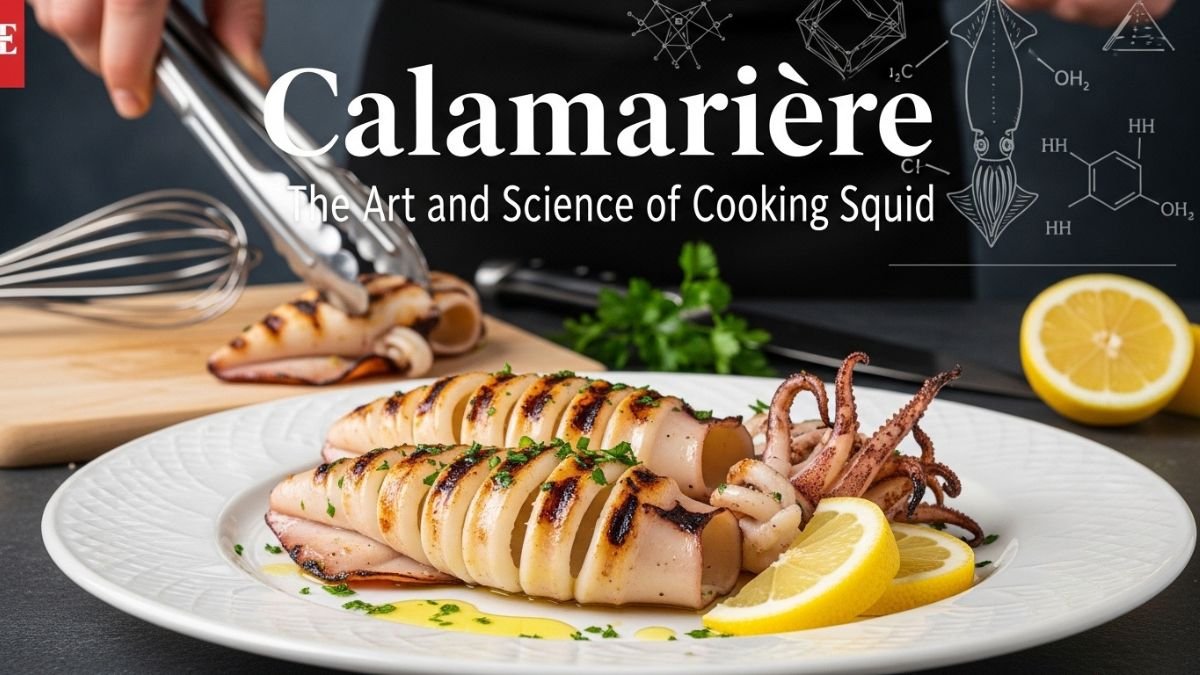
Calamariere, a term that dances on the tongue and evokes images of culinary delight, is more than just a dish; it’s an experience. This exquisite preparation of squid captivates food lovers around the globe with its tender texture and rich flavor. Whether you savor it grilled, fried, or sautéed, calamariere has found its way into hearts—or rather, stomachs—everywhere.
But what makes this seafood sensation so special? How did it become a staple in various cuisines? Join us as we dive deep into the art and science behind cooking squid to elevate your kitchen skills and impress your guests. Get ready to embark on a delicious journey through history, techniques, recipes, and tips that will transform how you approach calamariere!
The History and Origins of Calamariere
Calamariere has roots that stretch back centuries. It is believed to have originated in the coastal regions of Mediterranean countries, where fresh squid was abundant.
The word “calamari” derives from the Italian term for squid, highlighting its significance in Italian cuisine. Ancient Romans also enjoyed this delicacy, often preparing it with various herbs and spices.
As trade routes expanded, so did knowledge about cooking squid. Different cultures adopted calamari recipes, infusing their culinary traditions into this beloved dish.
In Greece, for instance, calamari became a staple at local tavernas served alongside tzatziki or lemon wedges. Meanwhile, Asian cuisines embraced squid as well; think of crispy fried versions garnished with sweet chili sauce.
Today’s calamariere reflects a blend of these influences while maintaining its essence as an elegant seafood dish loved worldwide.
Understanding the Science Behind Cooking Squid
Cooking squid, or calamariere, involves a fascinating interplay of heat and time. The challenge lies in its unique texture. Squid is composed of delicate muscle fibers that can easily become rubbery if overcooked.
When exposed to high temperatures for too long, these fibers tighten up. This creates an undesirable chewiness. Quick cooking methods like frying or grilling keep the meat tender by searing it quickly.
On the other hand, slow-cooking techniques such as braising allow collagen within the squid to break down gradually. This results in a melt-in-your-mouth experience without sacrificing flavor.
Temperature control plays a crucial role as well. Perfecting your technique ensures that each bite remains succulent and bursting with flavor an essential aspect of calamariere mastery.
Different Cooking Techniques for Squid
Squid is versatile, allowing for various cooking techniques that enhance its unique flavor and texture. Grilling is a popular choice, imparting a smoky char while keeping the flesh tender. Simply marinate the squid in olive oil, garlic, and herbs before placing it on high heat.
Frying offers another delightful option. Whether you opt for traditional calamari rings or stuffed varieties, frying provides a crispy exterior that’s hard to resist. A quick dip in batter ensures a golden finish.
Steaming allows the squid’s natural sweetness to shine through without added fats. This method preserves moisture and results in light dishes perfect alongside vegetables or rice.
For those seeking depth of flavor, braising introduces rich sauces that penetrate the meat during slow cooking. It turns tougher cuts into something wonderfully succulent over time.
Each technique showcases squid’s adaptability experiment with your favorites to discover new dimensions of this fantastic seafood ingredient!
Delicious Calamariere Recipes to Try at Home
If you’re ready to explore calamariere, start with the classic fried squid. Coat rings in a mixture of flour and cornmeal for that delightful crunch. Serve them hot with a zesty marinara sauce.
For something lighter, consider grilled calamari. Toss your squid in olive oil, garlic, and fresh herbs before putting it on the grill. This method keeps the flavors vibrant and smoky.
Another fun option is stuffed calamari. Fill tubes with breadcrumbs, parsley, and cheese for an irresistible bite-sized dish that’s perfect as an appetizer or main course.
Don’t forget about stir-frying! Slice squid into strips and toss them with vegetables like bell peppers and snow peas for a quick weeknight meal packed with flavor.
Experimenting can lead to marvelous discoveries when creating your own take on this beloved delicacy!
Tips and Tricks for Perfecting Your Calamariere Dish
To achieve the perfect calamariere, start with fresh squid. Look for firm bodies and clear eyes. Freshness makes a noticeable difference in flavor and texture.
Next, don’t forget to clean your squid thoroughly. Remove the beak and ink sac carefully to avoid bitterness. A well-prepared ingredient sets the stage for success.
When it comes to cooking time, less is more. Overcooking leads to rubbery textures—just a few minutes on high heat will do wonders. Try grilling or frying at high temperatures for that ideal tenderness.
Marinades can elevate flavors significantly. Simple mixtures of olive oil, garlic, and herbs bring out the best in your dish without overpowering its natural taste.
Garnish plays an important role too! Fresh herbs like parsley or basil add a burst of color and aroma that captures attention before anyone takes their first bite.
Conclusion
Calamariere is not just a dish; it’s an experience that captures the essence of culinary art and science. From its rich history to the various techniques for cooking squid, this delightful meal has something for everyone. Whether you are a seasoned chef or a home cook experimenting in your kitchen, understanding how to prepare calamariere can elevate your dining experience.
As you explore different recipes and tips, don’t hesitate to mix things up. Creativity plays a key role in making calamariere uniquely yours. Embrace the flavors and textures of squid while respecting its delicate nature.