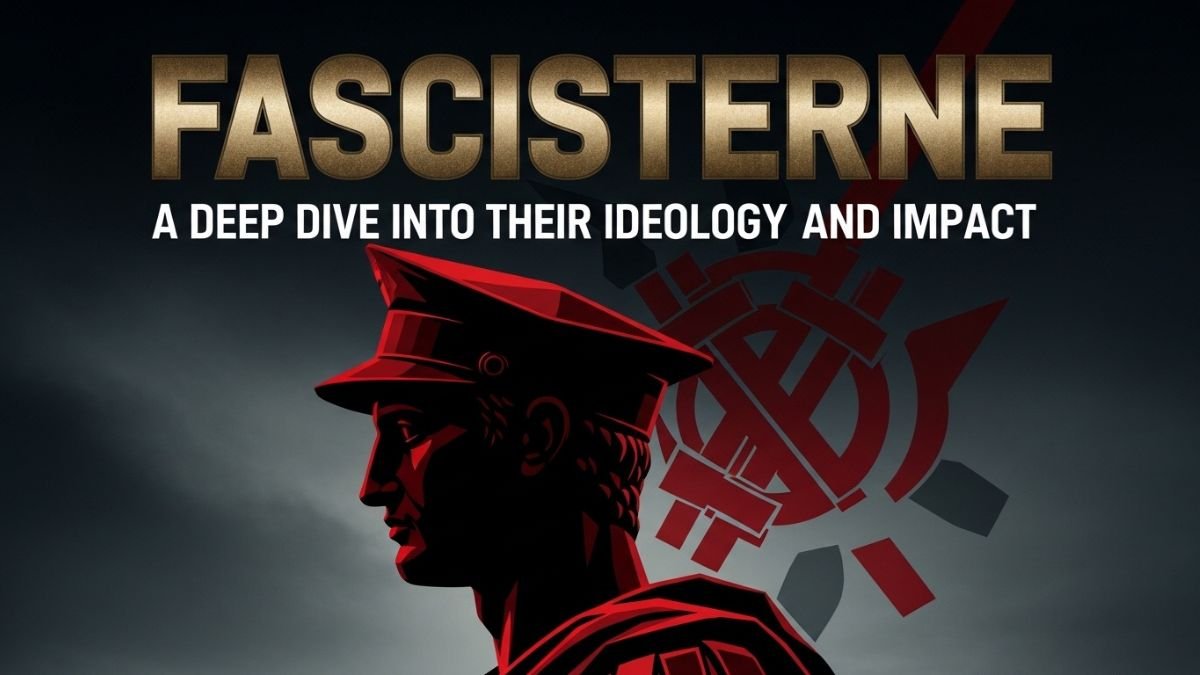
Fascisterne have long been a topic of intrigue and concern, drawing attention from historians, political analysts, and everyday citizens. The term evokes passionate discussions about authoritarianism, nationalism, and the darker sides of human nature. But what exactly does it mean to be a fascist? Where did this ideology come from, and how has it shaped societies across the globe?
As we dive deep into the world of fascism, we’ll explore its historical roots and examine its impact on contemporary politics. Understanding fascisterne is not just an academic exercise; it’s essential for recognizing the signs in today’s world. Armed with knowledge, we can better confront these ideologies that threaten inclusivity and equality in our societies.
What are Fascists and Fascism?
Fascists are individuals who adhere to a political ideology characterized by authoritarianism and extreme nationalism. This belief system often promotes the idea of a strong, centralized government led by a dictatorial figure. Fascism rejects democracy, emphasizing loyalty to the state above all else.
At its core, fascism is about identity—both national and cultural. It seeks to unify people based on shared heritage while excluding those perceived as outsiders or threats. This exclusionary stance can lead to dangerous rhetoric and actions against minority groups.
Additionally, fascist movements thrive on propaganda and manipulation of public opinion. They often use fear tactics to rally support and suppress dissenting voices. The emphasis on militarization further distinguishes fascism from other ideologies, with an unwavering focus on power through strength rather than diplomacy or discourse.
History of Fascism
Fascism first emerged in early 20th-century Europe, primarily as a reaction to the chaos following World War I. It was rooted in nationalism, anti-communism, and authoritarianism. Italy’s Benito Mussolini is often credited with popularizing the term “fascismo,” advocating for a centralized government that prioritized state power over individual rights.
The ideology gained traction across Europe during economic turmoil and social unrest. By the 1930s, fascist regimes took hold in several countries, most notably Nazi Germany under Adolf Hitler. These movements capitalized on fear and resentment, promoting ideals of racial superiority and national rejuvenation.
World War II marked a pivotal moment for fascism’s legacy. After the war ended, many nations sought to distance themselves from these ideologies due to their association with devastating conflict and atrocities like the Holocaust. Despite this rejection, remnants of fascist thought lingered throughout modern history.
The Rise and Fall of Fascist Regimes
The 20th century witnessed a surge in fascist regimes, primarily in Europe. Italy led the way under Benito Mussolini, who fused nationalism with authoritarian rule. His aggressive policies and militaristic fervor inspired others.
Germany followed suit with Adolf Hitler’s Nazi Party. The fusion of extreme nationalism and racial ideology created a potent force that allowed for rapid expansion and brutal oppression.
Spain experienced its own variant under Francisco Franco. He maintained control through propaganda, fear tactics, and suppression of dissent.
However, these regimes ultimately faced significant challenges. World War II was a pivotal moment that exposed their vulnerabilities. Economic struggles, military defeats, and internal dissent began to erode their foundations.
By the mid-20th century, most fascist governments fell from power or transformed into different political entities. The ideological remnants lingered but were often rejected by society seeking democracy and human rights advancements.
Modern Day Examples of Fascism
Fascism has evolved since its early 20th-century inception, adapting to contemporary political landscapes. Today, certain movements echo fascist principles through authoritarian governance and exclusionary nationalism.
In various countries, populist leaders harness public discontent by promoting xenophobia and scapegoating minorities. These tactics often evoke historical parallels with past regimes, raising alarms among historians and activists alike.
Social media plays a crucial role in modern fascism’s propagation. It amplifies extremist ideologies rapidly, allowing fringe groups to gain traction and influence mainstream discourse.
Some nations have witnessed the rise of far-right parties that employ militaristic rhetoric while undermining democratic institutions. By stoking fear around immigration or cultural change, they create an environment ripe for intolerance.
Grassroots movements also emerge globally as responses to economic inequality. Their sometimes nationalist undertones can inadvertently align with fascist-like tendencies under the guise of protecting national identity or heritage.
How Fascist Ideology Affects Society
Fascist ideology deeply influences societal structures and norms. It promotes a rigid hierarchy where loyalty to the state supersedes individual freedoms. This often leads to an erosion of civil liberties, restricting free speech and dissent.
Communities can become polarized, with divisions based on race, religion, or political beliefs. When fascism gains traction, it fosters an environment of fear and intimidation. People may hesitate to express their true opinions for fear of retribution.
Education also suffers under such regimes. Curriculum shifts toward propaganda that glorifies the state while erasing uncomfortable truths from history. Critical thinking becomes less valued as conformity is championed.
Social cohesion deteriorates when factions are pitted against one another in a struggle for dominance. Trust diminishes among citizens as they navigate a landscape filled with misinformation and scapegoating tactics employed by leaders intent on maintaining control.
Countering Fascism: Educating and Standing Against Hate
Countering fascism begins with education. Knowledge is a powerful tool against intolerance and hate. By teaching the history of fascist movements, we empower individuals to recognize the signs before they escalate.
Community engagement plays a vital role in this fight. Open discussions can bridge gaps and foster understanding among diverse groups. It’s essential to create safe spaces where people feel comfortable sharing their experiences and perspectives.
Vigilance is critical too. We must challenge hateful rhetoric whenever it appears—whether online or in our daily lives. This can be as simple as calling out discriminatory comments or supporting inclusive policies that promote equality.
Solidarity matters immensely. Standing together against oppression sends a clear message: hate will not prevail here. Building alliances across communities strengthens resistance efforts, creating a united front that cannot be easily dismantled by extremist ideologies like those espoused by fascisterne.
Conclusion
Fascisterne represent a complex and often troubling aspect of our society. Their ideology has roots that stretch back decades, influencing political landscapes and social dynamics around the globe. Understanding what fascism entails is crucial for recognizing its manifestations in modern times.
The history of fascism reveals cycles of rise and fall, marked by charismatic leaders who harness fear and division to gain power. This historical context helps us comprehend how past regimes operated, which can serve as a warning for today’s world.
In contemporary settings, we see echoes of fascist principles in various movements. These examples highlight the need for vigilance against ideologies that seek to undermine democracy and promote hate.