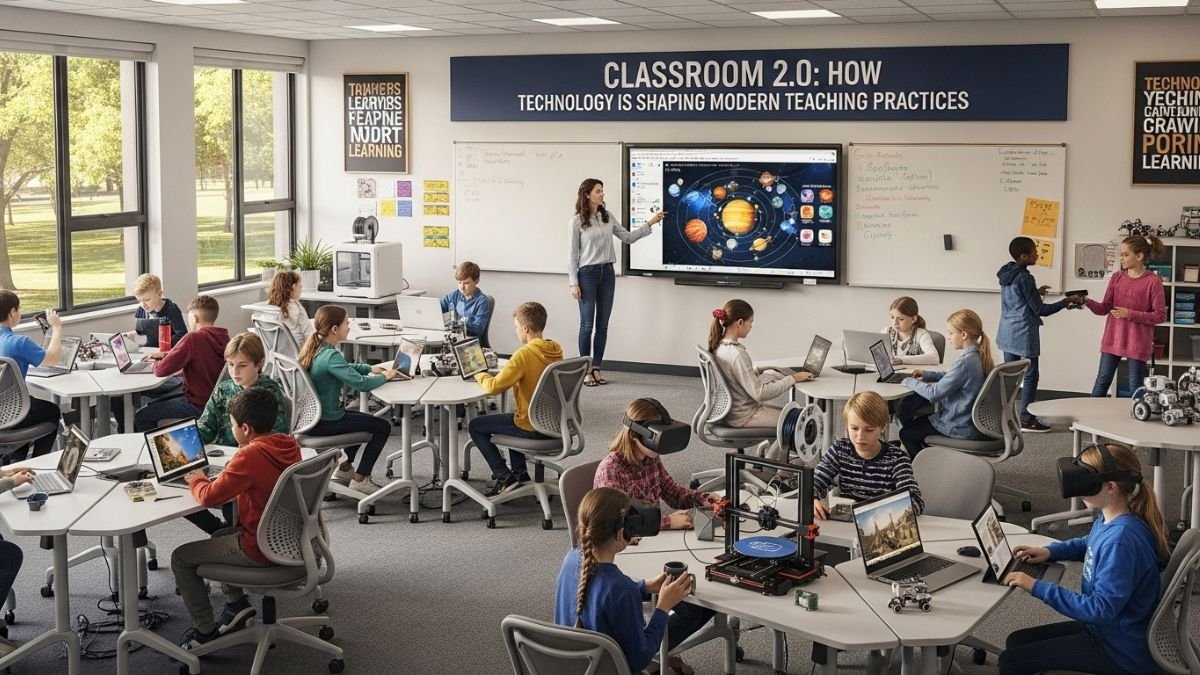
Imagine stepping into a classroom where technology seamlessly enhances every lesson. Welcome to Classroom 20x, a revolutionary approach that transforms traditional teaching practices into something extraordinary. In today’s fast-paced world, educators are embracing innovative tools and methods that not only engage students but also prepare them for the future. As we dive deeper into how technology is reshaping education, it becomes clear that the classroom experience is evolving rapidly. From digital resources to interactive platforms, let’s explore this exciting shift and discover what it means for teachers and learners alike.
The Evolution of Technology in Education
The journey of technology in education began with simple tools like chalkboards and overhead projectors. These innovations changed how information was shared, making lessons more visual.
As the internet emerged, so did new possibilities. Online resources transformed homework and research. Students could access vast libraries from their homes, broadening their horizons.
Then came computers and interactive software. Classrooms evolved into digital learning spaces where students engaged with content in dynamic ways. This shift allowed personalized learning to flourish, catering to individual needs.
Today’s classroom showcases smart boards and tablets that enhance collaboration. Virtual classrooms have opened doors for remote learners worldwide, breaking geographical barriers.
Each advancement has led us closer to a connected educational experience. The integration of technology continues to redefine teaching methods, ensuring educators can reach every student effectively.
Benefits and Challenges of Implementing Technology in the Classroom
Integrating technology into the classroom offers numerous advantages. Enhanced engagement is one of the most significant benefits. Interactive tools and multimedia resources captivate students, making learning more dynamic.
Personalized learning experiences also shine through tech integration. Educational software can tailor lessons to individual student needs, allowing for varied paces and styles of learning.
However, challenges persist. Not every teacher feels equipped to utilize new technologies effectively. This knowledge gap can create disparities in educational quality.
Additionally, access remains an issue. Not all students have equal opportunities for devices or high-speed internet at home, leading to a digital divide that educators must address.
Moreover, reliance on technology raises concerns about screen time and its impact on attention spans. Striking a balance between digital resources and traditional methods is crucial for fostering well-rounded learners in today’s evolving educational landscape.
Examples of Innovative Technology Used in Teaching
Interactive whiteboards have transformed the traditional classroom into a dynamic learning space. Teachers can now display multimedia content, engage students with interactive lessons, and encourage collaboration in real time.
Learning management systems (LMS) offer an organized way to deliver coursework online. Platforms like Google Classroom and Moodle streamline assignments, feedback, and communication between teachers and students.
Gamification is another innovative approach changing how knowledge is absorbed. By incorporating game elements into lessons, educators make learning more engaging while fostering healthy competition among peers.
Virtual reality (VR) tools immerse students in experiences that textbooks simply cannot provide. With VR headsets, learners can explore historical sites or conduct complex science experiments from their desks.
Mobile apps designed for education are also making waves. They allow personalized learning paths that cater to individual student needs, enhancing the overall educational experience through tailored resources at their fingertips.
How Teachers Can Adapt to a Digital Learning Environment
Teachers can thrive in a digital learning environment by embracing flexibility. This involves being open to new tools and methods that enhance student engagement.
Professional development plays a crucial role. Attending workshops or online courses helps educators stay updated with the latest technologies and teaching strategies.
Collaboration is essential. Building relationships with fellow teachers allows for sharing experiences, ideas, and resources tailored to digital platforms.
Creating interactive content makes lessons more dynamic. Using multimedia such as videos, podcasts, or gamified activities can increase student participation.
Adapting assessment methods is also key. Utilizing online quizzes and collaborative projects offers diverse ways to measure student understanding while fostering teamwork skills.
Maintaining clear communication channels ensures students feel connected and supported even when learning remotely. Regular check-ins help build rapport and keep motivation high among learners in this evolving landscape.
The Future of Teaching: Virtual and Augmented Reality
Virtual and augmented reality are transforming the educational landscape. These technologies create immersive experiences that engage students in ways traditional methods cannot.
Imagine walking through ancient Rome while studying history or exploring the human body from the inside out. Such experiences can deepen understanding and retention of complex subjects.
In science classes, augmented reality apps enable students to visualize molecular structures in 3D. This hands-on approach fosters curiosity and encourages experimentation.
Moreover, VR classrooms allow for global collaboration. Students can connect with peers worldwide, exchanging ideas and perspectives without leaving their desks.
As these tools become more accessible, teachers will find new ways to integrate them into lesson plans. The result could be a richer educational experience where learning feels less like work and more like exploration.
Conclusion
The emergence of Classroom 20x marks a pivotal shift in educational practices. Technology is no longer just an add-on; it has become integral to teaching and learning experiences. As we embrace this digital era, the possibilities for engaging students are endless.
Teachers now have access to tools that can enhance creativity and foster collaboration like never before. From interactive whiteboards to gamified learning platforms, the classroom experience is being transformed every day. Yet, embracing these changes comes with its own set of challenges, including balancing screen time and ensuring all students have equal access to technology.
Innovative solutions such as virtual reality (VR) and augmented reality (AR) are redefining how subjects can be taught. Imagine studying ancient civilizations through immersive VR experiences or conducting science experiments safely in a virtual lab setting—these technologies make learning come alive.